Buying a Home Unmarried in California | Cohabitation Agreement Guide

Buying a Home Together Without Being Married in California? Read This Before You Sign Anything.
Buying a home with your partner is exciting. It is a huge milestone. And if you are not married, it is also one of the most legally risky decisions you can make without the right protections in place.
We are not saying you should not do it. We are saying you should do it smart. Because in California, unmarried couples have no automatic legal framework when it comes to shared property. If something goes wrong, and we mean a breakup, a death, a disagreement, there is no default "fair" outcome. There is just chaos.
A cohabitation agreement fixes that.
Why This Is Different from Buying Property While Married
In California, married couples benefit from community property laws. That means most assets acquired during the marriage are automatically considered equally owned. There are rules for what happens during a divorce, and courts have clear frameworks to follow.
Unmarried couples have none of that. If you buy property together without being married, the law treats you like business partners at best and strangers at worst. If you break up, there is no family court to divide things up. You may end up in civil court, fighting over who paid what and who gets what.

What a Cohabitation Agreement Covers
A cohabitation agreement is a written contract between two people who are purchasing property together but are not married. It answers the questions that nobody wants to think about but everyone needs to:
Who owns what percentage of the property?
Who is responsible for the mortgage, taxes, insurance, and repairs?
What happens if one person wants to sell and the other does not?
What happens if you break up?
What happens if one person dies?
This is not about being pessimistic. It is about being clear. And clarity protects both of you.
How You Hold Title Matters
Beyond the cohabitation agreement, how you hold title to the property is a separate but equally important decision. In California, the most common options for unmarried couples are:
Joint Tenancy: Both owners have equal shares with a right of survivorship. If one person dies, the other automatically gets the property. But you cannot leave your share to someone else in your will.
Tenants in Common: Each owner can hold a different percentage and can leave their share to whoever they want. There is no automatic right of survivorship.
The right choice depends on your relationship, your financial contributions, and your estate planning goals. This is where working with an attorney makes a real difference.
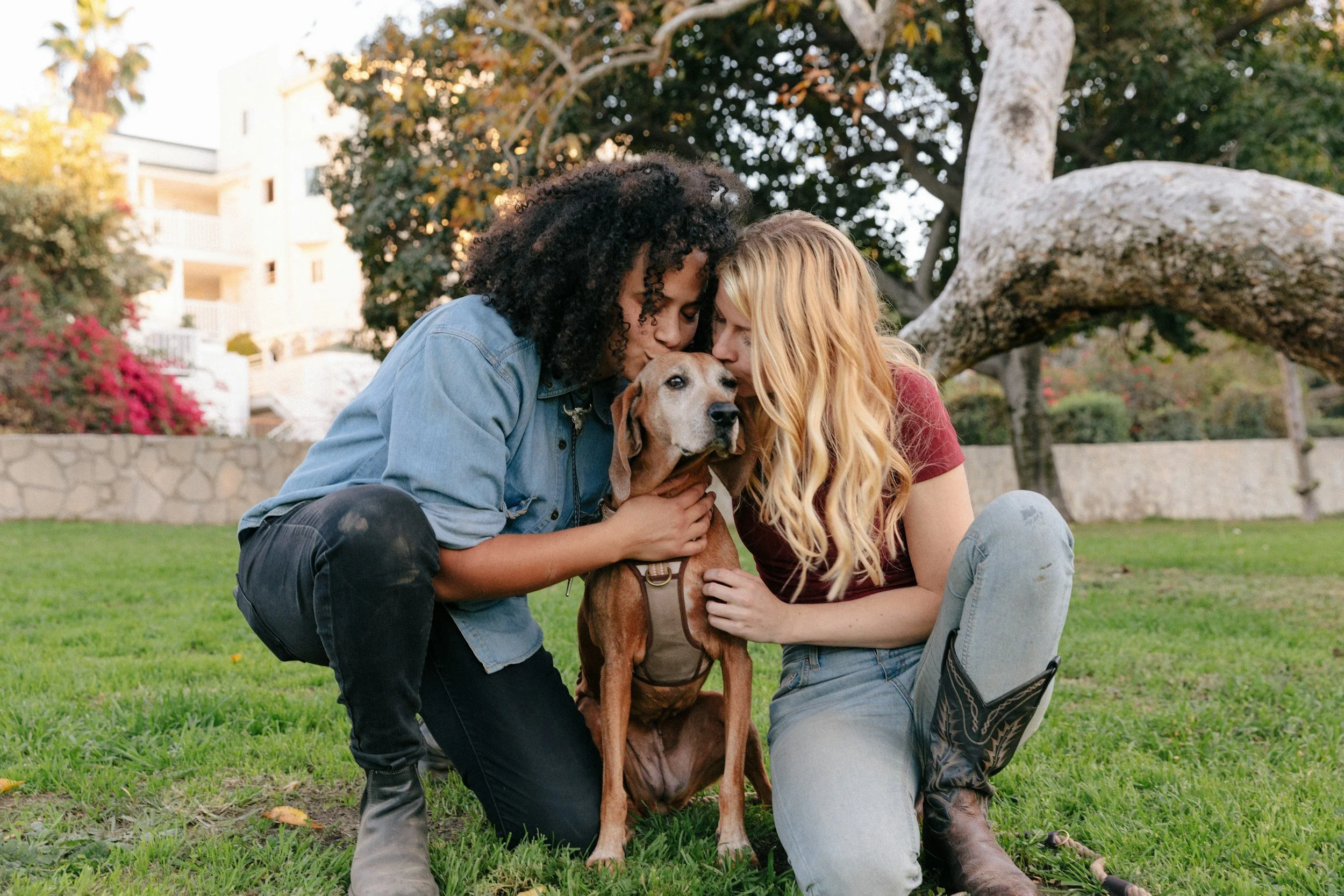
LGBTQ+ Couples: This Applies to You Too
Many LGBTQ+ couples choose not to marry or are not yet married. That does not make their relationships any less real. But it does mean they do not have the automatic legal protections that marriage provides.
A cohabitation agreement ensures that your relationship is legally protected on your terms. We work with LGBTQ+ couples across California to create agreements that are inclusive, affirming, and legally strong.
What Happens Without an Agreement
We have seen it too many times:
A couple breaks up and one person refuses to sell
One partner paid the down payment and the other person claims half the equity
A partner passes away and their biological family inherits instead of the surviving partner
All of this is preventable. A cohabitation agreement and the right title vesting protect both parties from these outcomes.
Get Protected Before You Close
If you are buying property with someone you are not married to, get your cohabitation agreement in place before you close escrow. Not after. Not "when we get around to it." Before.
We make this process easy, affordable, and straightforward. Whether you are in the early stages of looking or already in escrow, we can help.

